The Ultimate Guide to Snorkeling in the An Thoi Archipelago: Safety, Skills, and Local Secrets
Table of Contents
- Introduction: The Magic of Snorkeling in the An Thoi Archipelago
- Essential Tropical Snorkeling Knowledge: Understanding the Marine Environment
- Mastering Your Snorkeling Gear: Skills for a Safe and Comfortable Swim
- Maximizing Your Adventure: Following Professional Crew Guidance
- Top Tips for a Memorable Snorkeling Day in the An Thoi Archipelago
- Conclusion: Ready to Explore Phu Quoc’s Underwater Wonders with Phu Quoc Water Bus?
Introduction: The Magic of Snorkeling in the An Thoi Archipelago
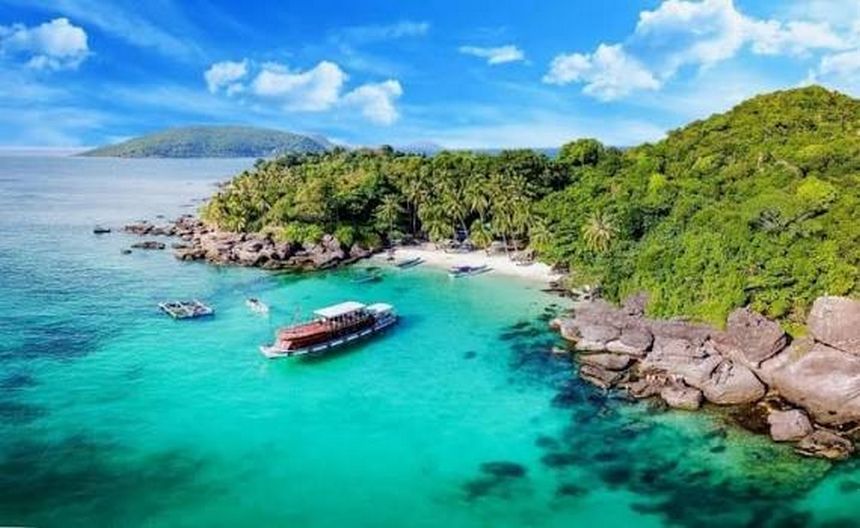
Imagine floating effortlessly on the surface of the ocean, gazing down into a vibrant, bustling metropolis of marine life. The sunlight pierces through the crystal-clear waters, illuminating a kaleidoscope of colors below. This is the captivating reality of exploring the southern tip of Vietnam. However, transforming this beautiful vision into a safe and truly unforgettable reality requires more than just enthusiasm; it demands preparation, respect for the ocean, and the right guidance. The allure of the sea is powerful, drawing thousands of travelers each year to experience its hidden wonders, but the ocean is also a dynamic and unpredictable environment.
To fully embrace the magic of these pristine tropical islands, you must embark on a journey of understanding. This journey begins long before you step onto a boat. It starts with acquiring essential knowledge about the marine ecosystem, mastering the specific skills required to use your equipment comfortably, and recognizing the immense value of local expertise. Whether you are a first-time explorer or someone who has dipped their toes in oceans around the world, the key to a flawless aquatic adventure lies in balancing your sense of wonder with a commitment to safety and best practices.
This comprehensive guide is designed to be your ultimate resource. We will walk you through the critical steps of preparing for your excursion, from understanding the unique characteristics of tropical waters to perfecting your breathing techniques. Furthermore, we will explore why choosing a professional marine tour operator is the most crucial decision you will make, ensuring that your time spent among the vibrant coral reefs is nothing short of spectacular.
Essential Tropical Snorkeling Knowledge: Understanding the Marine Environment
Stepping into the waters of a tropical paradise is akin to entering a completely different world, one governed by its own set of rules and rhythms. To ensure a safe and enriching experience, it is imperative to develop a foundational understanding of this unique marine environment. Tropical waters are characterized by their incredible biodiversity, supporting complex ecosystems where every organism plays a vital role. When you enter the ocean, you are a guest in this delicate habitat, and understanding your surroundings is the first step toward responsible exploration.
One of the most striking features of tropical marine environments is the clarity of the water, which allows sunlight to penetrate deeply and sustain the vibrant coral reefs below. However, this environment is not static. It is constantly influenced by weather patterns, tidal shifts, and seasonal changes. Recognizing how these factors interact will significantly enhance your situational awareness. For instance, understanding how wind direction affects surface chop can help you anticipate the physical demands of your swim, while knowing the phases of the tide can give you insight into water visibility and movement.
Furthermore, a comprehensive understanding of the marine environment involves recognizing the potential hazards that exist beneath the surface. While the vast majority of marine life is harmless and simply beautiful to observe, a lack of awareness can lead to accidental encounters that are easily avoidable. Educating yourself about the local ecosystem not only protects you but also preserves the natural beauty of the area for future generations. It shifts your perspective from being a mere spectator to becoming an informed and respectful participant in the underwater world.
Ultimately, essential tropical snorkeling knowledge is about cultivating a mindset of respect and observation. It is about taking the time to assess the conditions before you enter the water, understanding your own physical limits within that specific environment, and knowing how to interact with the ocean in a way that minimizes your impact while maximizing your enjoyment. This foundational knowledge sets the stage for all the practical skills and safety protocols that follow.
Navigating Currents and Water Temperatures in Phu Quoc
The waters surrounding Phu Quoc are generally known for being warm and inviting, typically ranging from twenty-seven to thirty degrees Celsius year-round. While this comfortable temperature allows for extended periods of exploration without the immediate risk of hypothermia, it is crucial not to become complacent. Prolonged exposure to the sun while floating on the surface can lead to sunburn and dehydration, making protective clothing like rash guards and adequate fluid intake essential components of your preparation.
Beyond temperature, understanding the movement of the water is critical for your safety. The An Thoi Archipelago experiences tidal currents that can vary in strength depending on the lunar cycle and specific geographic formations between the islands. A current that appears gentle on the surface can be surprisingly strong just below. It is vital to always assess the water movement before entering and to establish visual reference points on the shore or your boat to monitor your drift.
If you ever find yourself caught in a current, the most important rule is to remain calm. Never exhaust yourself by attempting to swim directly against a strong flow. Instead, swim diagonally across the current toward the shore or your designated safety vessel. By understanding these local water dynamics, you can navigate the ocean with confidence, ensuring that your energy is spent marveling at the marine life rather than fighting the elements.
Respecting Marine Life: Coral Reef Etiquette and Conservation
The vibrant coral reefs of the An Thoi Archipelago are the crown jewels of the region, but they are also incredibly fragile ecosystems. It is a common misconception that corals are inanimate rocks; they are, in fact, living colonies of tiny animals that take decades to grow. A single careless kick with a fin or a moment of standing on a reef to adjust a mask can destroy years of growth and disrupt the habitat of countless marine species. Therefore, mastering buoyancy and maintaining a safe distance from the reef is paramount.
Practicing proper coral reef etiquette means adopting a strict “look, but do not touch” policy. Resist the urge to pick up shells, touch marine animals, or feed the fish, as human food can severely disrupt their natural diet and behavior. Your goal should be to observe the underwater world as a silent, unobtrusive visitor, leaving no trace of your presence behind.
Conservation also extends to the products you use before entering the water. Standard sunscreens often contain chemicals that are highly toxic to coral reefs, contributing to coral bleaching and death. Always opt for certified reef-safe, mineral-based sunscreens, or better yet, rely on physical barriers like long-sleeved swimwear to protect your skin. By adhering to these conservation principles, you actively contribute to the preservation of Phu Quoc’s stunning marine biodiversity.
Mastering Your Snorkeling Gear: Skills for a Safe and Comfortable Swim
Having the right knowledge of the ocean is only half the equation; the other half relies entirely on your equipment and your ability to use it effectively. Your snorkeling gear is your life support system while exploring the surface of the water. It is the bridge that allows you to breathe, see, and move comfortably in an environment where humans are not naturally adapted to survive. Therefore, mastering your gear is not just about convenience; it is a fundamental requirement for a safe and enjoyable experience.
The core components of your equipment—the mask, the snorkel, and the fins—must work in perfect harmony. When your gear functions correctly, it becomes an extension of your body, allowing you to focus entirely on the breathtaking scenery below. Conversely, poorly fitting or improperly used equipment can quickly turn a dream excursion into a frustrating and potentially dangerous ordeal. A mask that constantly leaks water into your eyes, a snorkel that restricts your airflow, or fins that cause painful blisters will inevitably force you to cut your adventure short.
Mastering your gear begins with understanding the purpose and mechanics of each item. It involves knowing how to prepare your equipment before you even step onto the boat, how to adjust it for the perfect fit, and how to troubleshoot common issues while you are in the water. This level of proficiency builds immense confidence. When you trust your equipment and your ability to manage it, anxiety dissipates, replaced by a profound sense of relaxation and freedom as you glide across the surface.
Furthermore, mastering your gear includes understanding the importance of auxiliary safety equipment, particularly the life jacket. Even strong swimmers benefit from the added buoyancy, which conserves energy and provides a crucial safety net in open water. Learning to move efficiently while wearing a buoyancy aid is a specific skill that enhances your overall stamina. By dedicating time to familiarize yourself with every piece of your equipment, you ensure that your time in the water is defined by comfort, safety, and uninterrupted wonder.
How to Choose and Fit Your Mask and Snorkel Properly
The foundation of a great underwater experience begins with a perfectly fitting mask. To test a mask, move the strap out of the way, press the mask gently against your face, and inhale slightly through your nose. If the mask stays in place without you holding it, you have achieved a proper seal. Ensure that no hair is trapped under the silicone skirt, as this is the most common cause of leaks. The strap should rest high on the back of your head, snug but not overly tight, as excessive pressure will distort the silicone and cause water to seep in.
Equally important is the preparation of the mask to prevent fogging, which can obscure your vision and cause disorientation. Before your first use, the manufacturer’s protective film must be removed. Before every swim, apply a dedicated defogging solution or a drop of baby shampoo to the dry inside lenses, rub it around, and rinse it briefly. This simple step guarantees crystal-clear visibility.
When attaching your snorkel, it should be positioned on the left side of your mask strap. Adjust the height so that the mouthpiece rests comfortably in your mouth without pulling or requiring you to bite down hard. Your lips should form a relaxed seal around the mouthpiece. Taking the time to fine-tune these adjustments on the boat ensures that once you are in the water, your equipment feels completely natural.
Proper Breathing and Clearing Techniques Under Water
Breathing through a tube while your face is submerged requires a conscious adjustment from your natural breathing patterns. The key to comfortable snorkeling is to breathe slowly, deeply, and rhythmically through your mouth. Rapid, shallow breaths can lead to a buildup of carbon dioxide in the snorkel tube, causing fatigue and a feeling of breathlessness. Focus on taking long, deliberate inhalations and exhalations, allowing the sound of your own breathing to become a calming focal point.
Water will inevitably enter your snorkel at some point, whether from a passing wave or from tilting your head too far down. Mastering the clearing technique is essential. When you feel water in the tube, do not panic. Keep your face submerged, take a cautious, shallow breath to avoid inhaling water, and then exhale forcefully and sharply—like blowing out a candle—to blast the water out of the top of the snorkel. This “blast clear” method is highly effective and easy to practice.
Similarly, if a small amount of water enters your mask, you can clear it without surfacing. Simply press firmly on the top frame of the mask against your forehead, tilt your head back slightly to look toward the surface, and exhale steadily through your nose. The air pressure will force the water out through the bottom seal of the mask, restoring your clear view of the reef.
Maximizing Your Adventure: Following Professional Crew Guidance
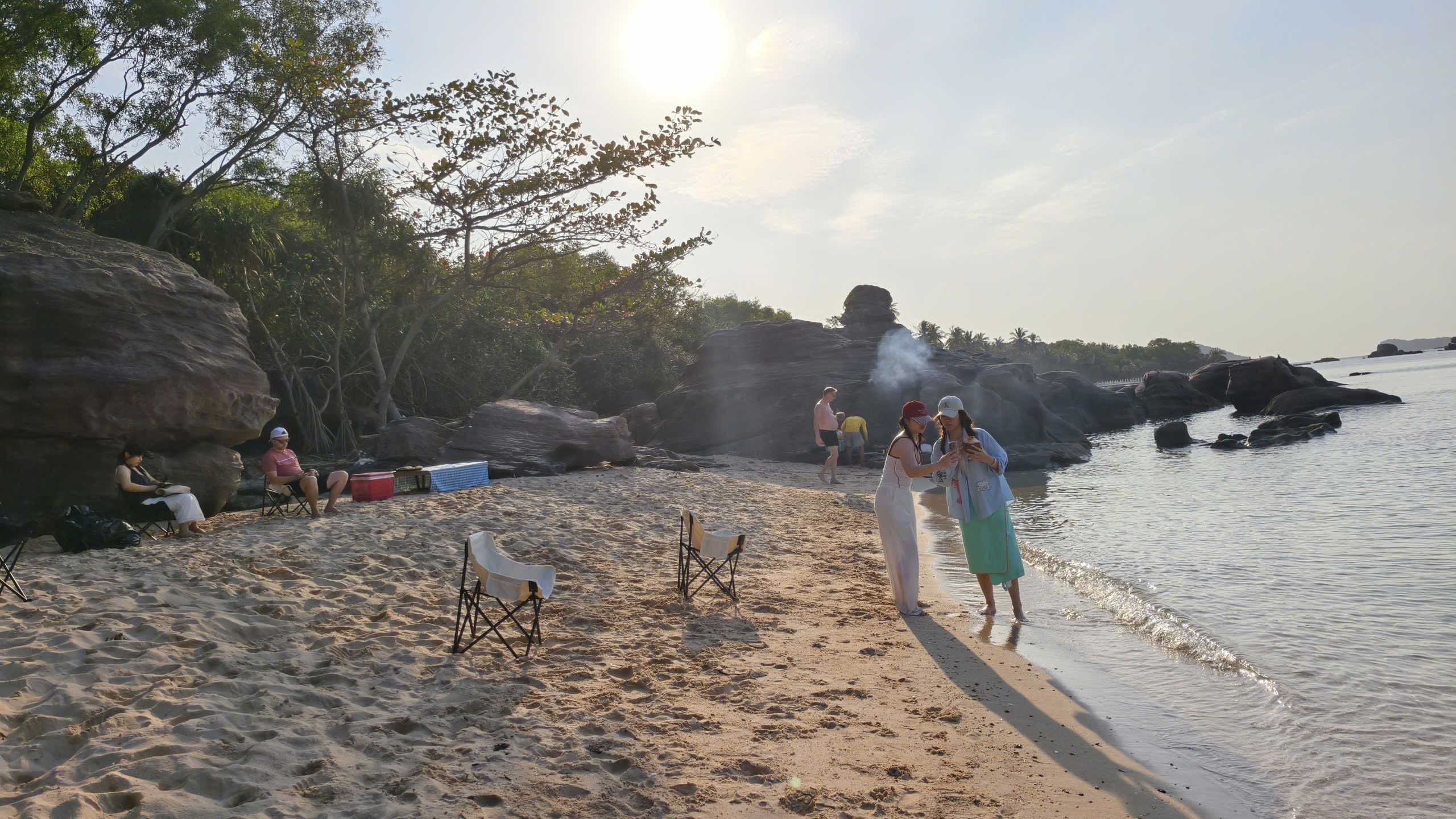
While personal knowledge and gear proficiency are vital, the ocean remains an expansive and dynamic environment that demands respect. Even the most experienced swimmers can encounter unexpected conditions. This is where the transition from a solitary explorer to a guided adventurer becomes crucial. Maximizing your experience in the An Thoi Archipelago is not just about what you know; it is heavily reliant on the expertise of the professionals who navigate these waters daily. Choosing a reputable marine tour operator is the definitive step that elevates a standard trip into a secure, world-class excursion.
Professional crews possess an intimate, localized knowledge of the archipelago that cannot be learned from a guidebook. They understand the subtle shifts in weather, the hidden currents, and the exact locations of the most vibrant, undisturbed coral reefs. More importantly, they know how to read the ocean’s mood on any given day, making real-time decisions to alter itineraries to ensure the absolute best and safest conditions for their guests. When you entrust your journey to experts, you are not just paying for a boat ride; you are investing in years of accumulated maritime wisdom.
Furthermore, a professional operation provides a comprehensive safety net that allows you to relax completely. From the moment you step aboard, you are under the watchful eyes of individuals trained to anticipate problems before they occur and to respond swiftly if they do. This level of professional oversight transforms the experience. Instead of worrying about navigating unfamiliar waters or monitoring changing weather patterns, you are free to immerse yourself entirely in the beauty of the marine environment, knowing that every logistical and safety detail is being expertly managed.
Ultimately, following the guidance of a professional crew is about partnership. It requires listening actively, respecting their authority on the water, and trusting their judgment. When you align your own preparation with the operational excellence of a seasoned team, you create the perfect conditions for an adventure that is not only thrilling and memorable but, above all, fundamentally safe.
Why SB-Certified Speedboats and Open-Deck Designs Matter for Safety
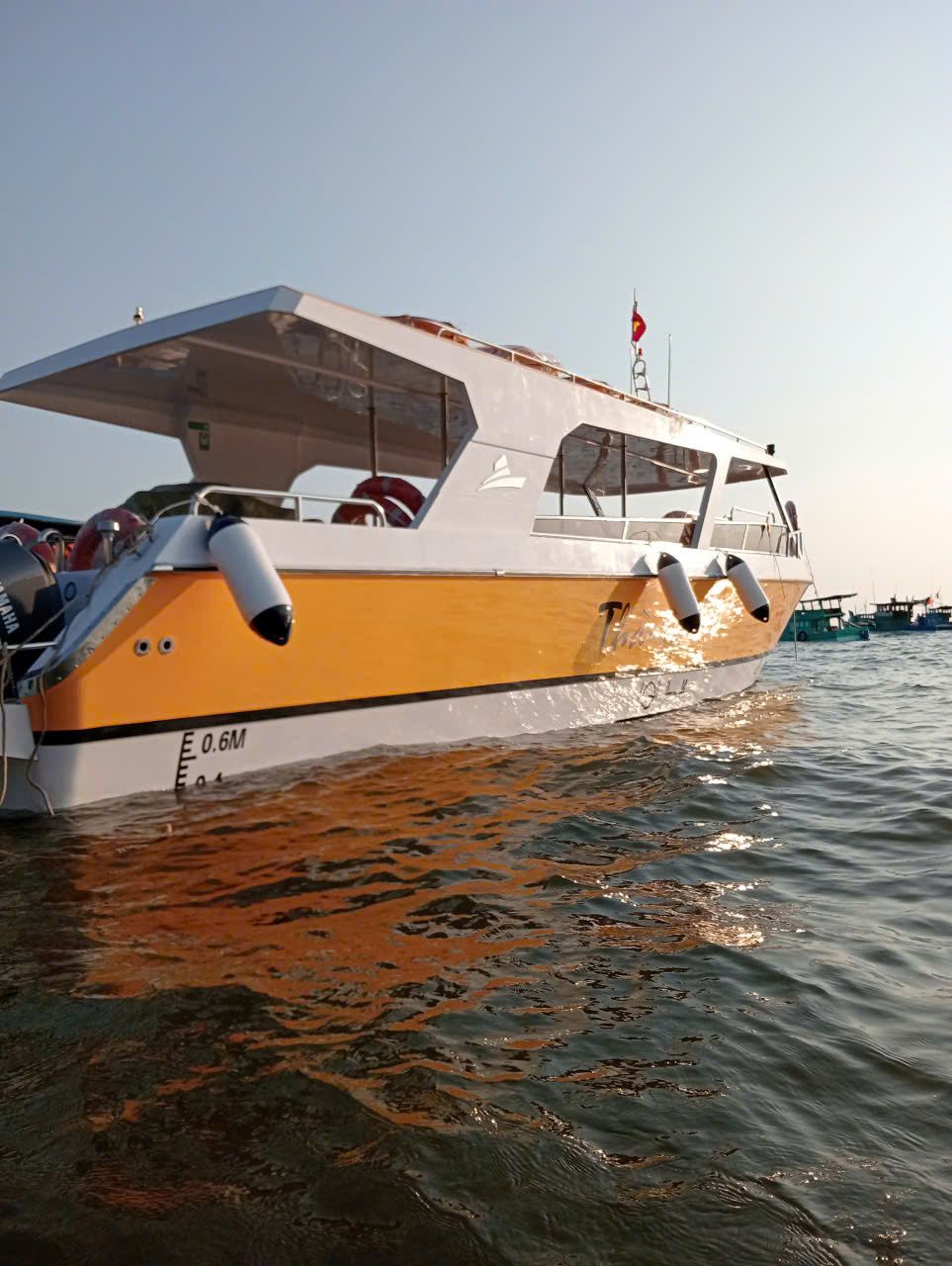
When selecting a tour operator, the quality and certification of their fleet should be your primary concern. Phu Quoc Water Bus sets the standard by utilizing Vietnam SB-certified speedboats. This rigorous certification guarantees that the vessels meet strict national safety standards for structural integrity, buoyancy, and essential safety equipment. Knowing that your vessel is officially certified for these specific marine conditions provides profound peace of mind before you even leave the harbor.
The design of the vessel is equally critical to passenger safety and comfort. Phu Quoc Water Bus specifically selects open-deck, or open-roof, speedboat designs for their fleet, which ranges in capacity from 15 to 42 passengers. This design choice is highly intentional. Open-deck vessels provide significantly better ventilation, which is the most effective way to prevent seasickness during transit. The constant flow of fresh sea air keeps passengers comfortable and alert.
Most importantly, in the unlikely event of an emergency in rough sea conditions, an open-deck design allows for much faster and more efficient passenger evacuation compared to enclosed cabins. There are no narrow doors or confined spaces to navigate. This commitment to utilizing modern, purpose-built, and certified vessels demonstrates a foundational dedication to passenger safety that distinguishes a professional operator from the rest.
Listening to Your Captain: Crucial Briefings and Emergency Protocols
The captain and crew are the undisputed leaders of your maritime journey, and their instructions are the most important information you will receive all day. A hallmark of a professional operator like Phu Quoc Water Bus is the comprehensive pre-departure safety briefing. This briefing is not a mere formality; it is a critical orientation that covers the location of life jackets, the layout of the vessel, and the specific procedures for entering and exiting the water safely.
During the excursion, the crew maintains constant vigilance. They establish clear communication protocols, often using specific hand signals or audible recall signals, such as whistles or air horns, to communicate with snorkelers in the water. It is imperative that you understand these signals and respond immediately if the captain signals a recall to the boat due to changing currents or approaching weather.
Furthermore, the crew is trained in emergency response and water rescue. They monitor the group continuously from the deck, ready to provide immediate assistance to anyone experiencing fatigue or equipment issues. By actively listening to your captain, adhering to the designated swimming zones, and respecting the established protocols, you ensure that the crew can effectively maintain the safety of everyone on board, allowing the entire group to enjoy the archipelago with confidence.
Top Tips for a Memorable Snorkeling Day in the An Thoi Archipelago
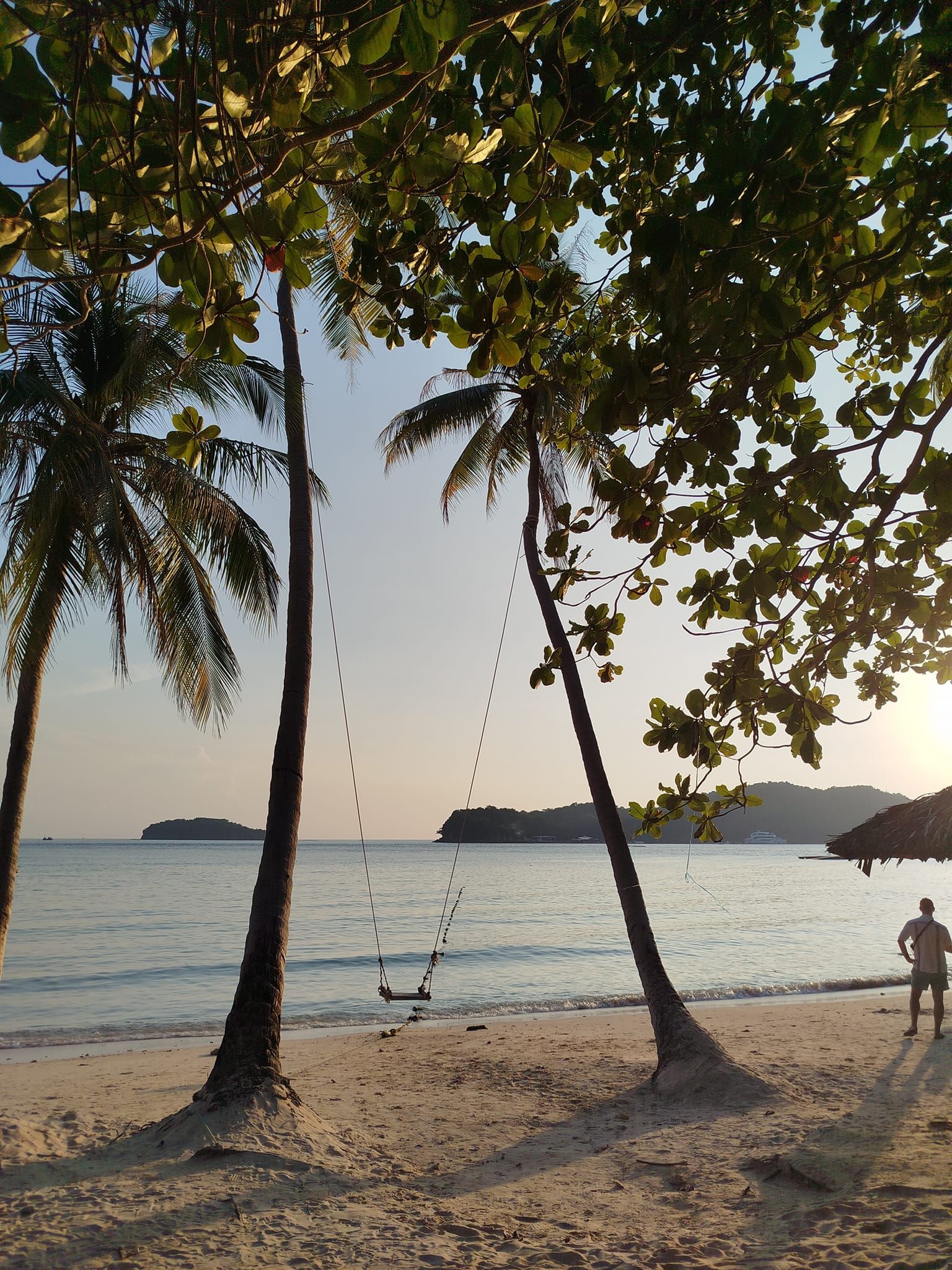
To ensure your adventure is nothing short of spectacular, combining your knowledge, gear skills, and the expertise of your crew is essential. When you are fully prepared, you can let go of anxiety and truly immerse yourself in the experience. Here are the top tips for a memorable snorkeling day in the An Thoi Archipelago, designed to help you maximize your enjoyment while prioritizing safety and environmental respect.
- Prioritize Sun Protection and Hydration: The tropical sun is intense, especially when reflecting off the water. Apply reef-safe sunscreen generously thirty minutes before entering the water, and wear a long-sleeved rash guard for optimal protection. Drink plenty of water throughout the day to prevent dehydration, which can lead to fatigue and cramps while swimming.
- Test Your Gear in Shallow Water: Before venturing into deeper areas, take a few minutes near the boat or shore to ensure your mask is sealed tightly and your snorkel is functioning correctly. Adjusting your equipment where you can easily stand or hold onto the boat builds confidence and prevents panic in open water.
- Always Use the Buddy System: Never explore the reefs alone. Always swim with a partner and maintain visual contact with them. This ensures that if either of you experiences a cramp, gear malfunction, or fatigue, immediate assistance is right beside you.
- Maintain a Safe Distance from the Reef: Practice excellent buoyancy control to avoid touching, kicking, or standing on the fragile coral. Keep your fins elevated and be mindful of your surroundings. Remember that you are a guest in this delicate ecosystem; observe the marine life without interfering with it.
- Listen Strictly to the Crew’s Instructions: The local knowledge of the Phu Quoc Water Bus crew is your greatest asset. Pay close attention to their briefings regarding safe swimming zones, current directions, and recall signals. Their primary goal is your safety, so always follow their guidance without hesitation.
By internalizing these actionable tips, you transition from a passive tourist to a responsible and capable marine explorer. Preparation is the key that unlocks the true beauty of the ocean, allowing you to create lasting memories of the vibrant underwater world.
Conclusion: Ready to Explore Phu Quoc’s Underwater Wonders with Phu Quoc Water Bus?
Exploring the vibrant coral reefs and crystal-clear waters of the An Thoi Archipelago is an experience that will stay with you long after you leave Vietnam. By understanding the marine environment, mastering your equipment, and respecting the delicate ecosystem, you set the stage for a truly magical adventure. However, the ultimate key to a flawless day on the water is choosing the right partner to guide your journey.
Phu Quoc Water Bus stands ready to provide you with a safe, comfortable, and unforgettable island-hopping and snorkeling experience. With over four years of operational excellence, our professional crews and fleet of Vietnam SB-certified, open-deck speedboats ensure that your safety is always the highest priority. Whether you are traveling as a couple, a family, or a group, we offer reliable departures and personalized service tailored to your needs. For your convenience, we accept major international credit and debit cards, making your reservation seamless. Do not leave your tropical adventure to chance; book your excursion with Phu Quoc Water Bus today and discover the breathtaking underwater wonders of Phu Quoc with absolute confidence.